


















How a MetroWest Resident Became a Lifeline for Central Florida’s Most Vulnerable Kittens
Some people are simply built to care for the most fragile among us. Nicole is one of them.
Long before she became one of MetroWest’s most dedicated kitten bottle feeders, she spent seven years, starting at age 19, as a volunteer “cuddler” for newborns in a local hospital’s NICU. So when she says caring for orphaned kittens just made sense, you believe her. It tracks, she laughs, that the baby cuddler eventually became a kitten cuddler too.
These days the numbers tell the story. In four years of fostering, Nicole has cared for nearly 370 bottle babies. “I’m coming up on 370 bottle babies in four years,” she says, and the number still seems to surprise her a little. It started, as these things sometimes do, almost by accident.
The first time was heartbreak. Her daughter found two newborn kittens in the neighborhood, and Nicole, with no experience caring for bottle babies, researched everything she could and tried her best. Both kittens passed away within a couple of weeks. Months later, when someone she knew found a litter abandoned in a garage and was considering taking them to the shelter, Nicole had learned something that changed everything: very young kittens are often the most at risk, sometimes euthanized if no foster is available to take them right away. She decided to try again.
Not long after, she came across a local rescue group called Wednesday’s Community Cats and Kittens on Nextdoor and left a comment saying she had bottle-fed before and would be willing to help. “I made one comment on her page,” she says, “and the rest is history.” The group’s founder reached out that same day about one bottle baby. Two hours later, she asked if Nicole could also take in five more that had just been found in a shed with no mother. “On the very first day, I had six bottle babies.”
What bottle feeding really takes
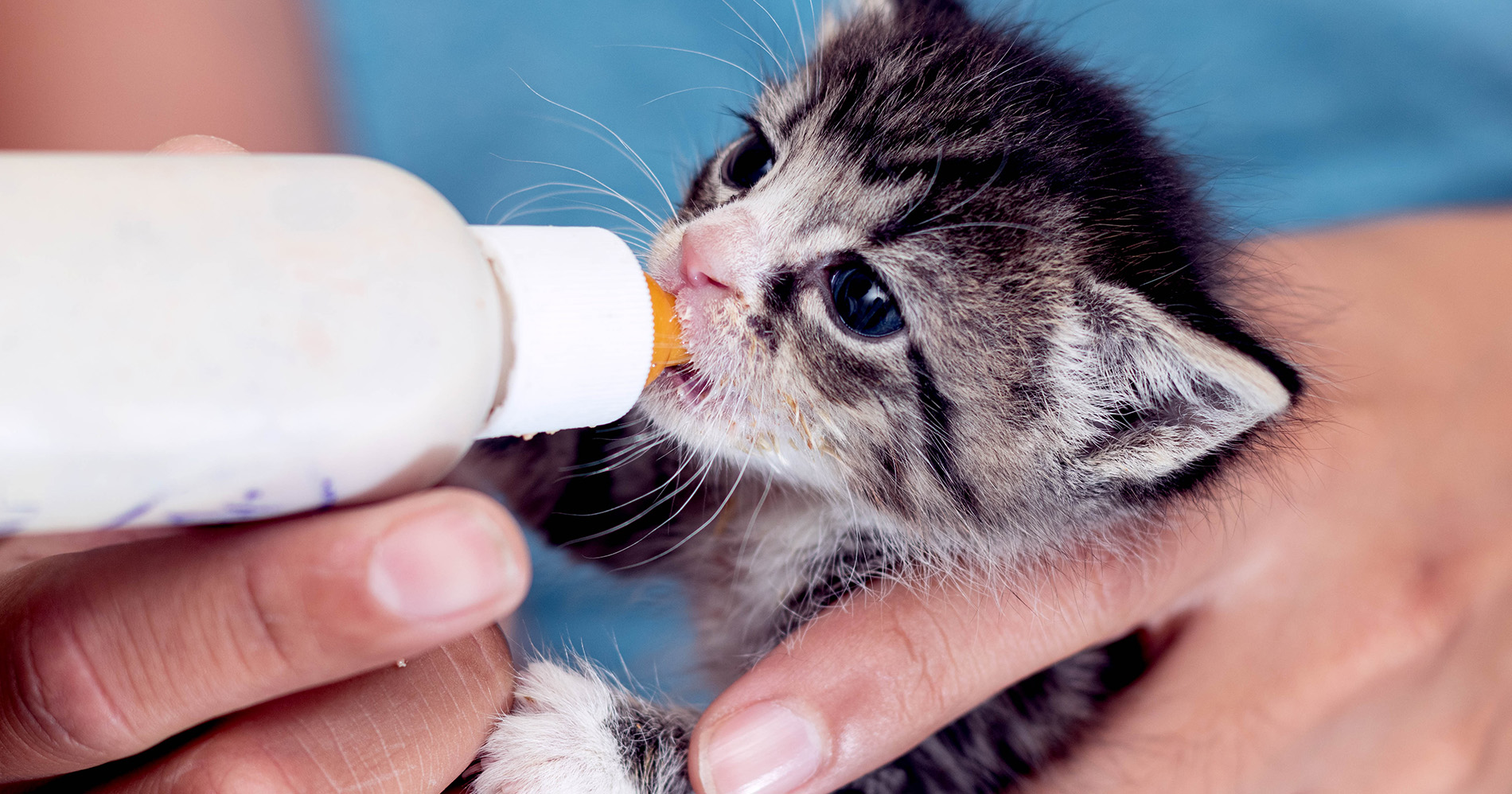
Bottle babies are the youngest, most fragile kittens, the ones who cannot eat, stay warm, or even go to the bathroom on their own. They need feeding every three hours, around the clock. They cannot regulate their own body temperature until about three weeks old, so they need constant warmth (Nicole started with heating pads and now uses a donated heated setup). After every feeding, she gently stimulates them the way a mother cat would, until at around three weeks they start managing on their own. Then comes the messy stage, and the baths, several a day. She weighs them constantly, celebrating an ounce of daily gain like the milestone it is, and sends updates to the group’s coordinators.
Because Nicole works from home, she can give the kittens the round-the-clock attention they need. That has meant feeding bottle babies every three hours on a road trip to Louisiana, and bringing them along to baseball games when she knew she would be out for a while. The schedule simply comes with her. In fact, her body is so used to it that she still wakes every three hours through the night, even when there is not a single kitten in the house.
The work is not without loss. Survival rates for bottle babies can be heartbreakingly low, but Nicole’s own runs around 85 to 90 percent, a remarkable number born of experience and sheer persistence. Early on, she learned about fading kitten syndrome the hard way, at 3 a.m. with two cold, limp kittens and a frantic search for what to do. Now she knows the steps: warmth, sugar water by syringe, patience. “Sometimes it works,” she says quietly. Sometimes it does not. But far more often, it does.
It takes a whole network
Nicole is quick to point out she is one piece of something much larger. Wednesday’s Community Cats and Kittens runs on a web of volunteers: bottle feeders, transporters, fosters for weaned kittens, medical fosters, TNR volunteers, colony feeders, donors, and coordinators. Kittens are found by community members or referred by Orange County Animal Services or Pet Alliance, coordinated to a foster, raised until they hit two pounds, then spayed or neutered, vaccinated, and placed for adoption.
“Everybody plays their role, and every single role is important,” Nicole says. She means it down to the smallest task. To anyone who has ever just driven a box of kittens across town, she offers this: “If you weren’t available to pick these kittens up, you saved them too.”
It is also, importantly, work that solves a problem rather than prolongs one. Every kitten who moves through this network is spayed or neutered before adoption, and the group’s TNR volunteers (trap, neuter, return) work to humanely reduce the number of community cats over time rather than letting colonies grow unchecked. People sometimes assume that rescuing or feeding cats only adds to the population. The opposite is true here. This is precisely how the cycle gets broken, one fixed cat and one adopted, vaccinated kitten at a time. What looks like simply saving lives is also, quietly, the most effective humane answer to a problem many communities struggle to manage.
Raised on love
Nicole believes that early human care shapes who these kittens become. The bottle babies she raises tend to grow into unusually affectionate, social cats, and she hears as much from the families who adopt them. “The only thing they know is a human,” she says. “They look at me like I’m their mom.”
Part of the community
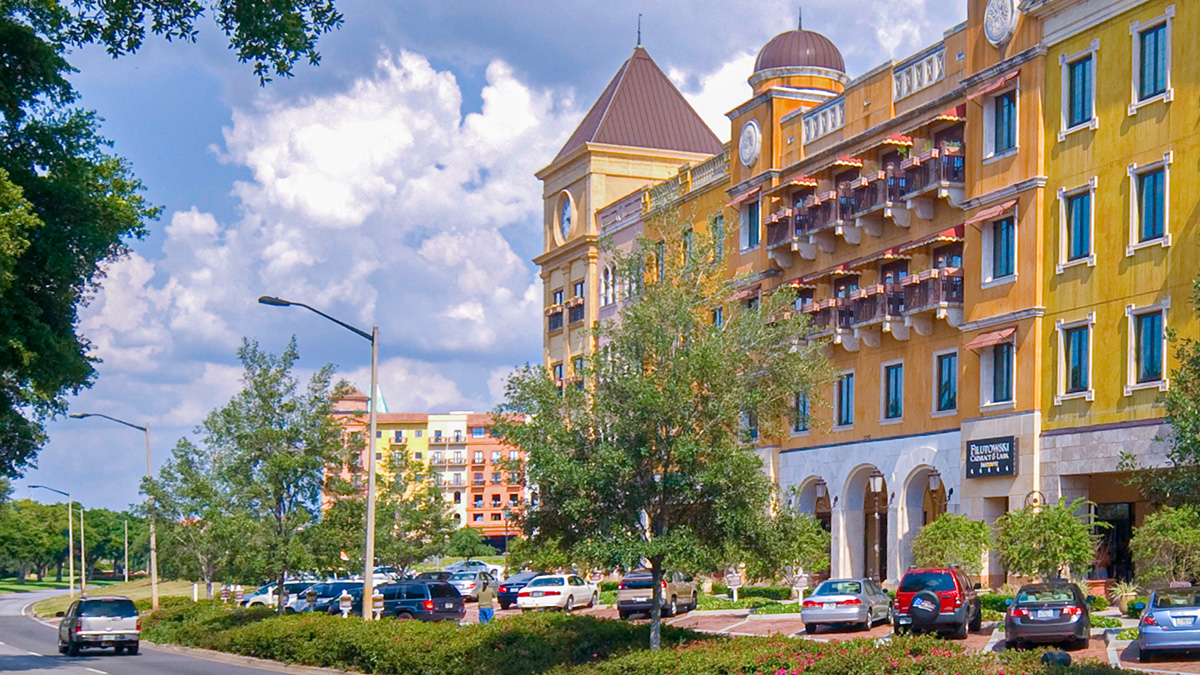
Nicole has called MetroWest home for 28 years, moving to Fairway Cove in September 1998, and she now serves as vice president of the Traverse Woods HOA, her third year in the role. She sees the kitten rescue work as one more way of looking out for her community. It is, in many ways, a very MetroWest thing to do. Four decades in, this is a community known for neighbors who show up, for one another and for the world around them, and Nicole is a quiet example of exactly that spirit.
What she most wants neighbors to know is simply that this work exists, and that there is room for everyone in it. “You don’t have to be a foster to help,” she says. People can transport kittens, donate formula or supplies, support fundraisers, help with TNR, feed colony cats, or simply spread the word. “The more people who know this exists, the more help could potentially be out there.”
And for anyone who finds kittens? Nicole points neighbors toward Orange County Animal Services to learn about their “Wait Till 8” guidance, the general idea being that slightly older kittens who can be safely cared for until around eight weeks have a much better chance once they are old enough for adoption.
Nearly 370 lives in four years, one three-hour feeding at a time. It is the kind of big-hearted, behind-the-scenes work that makes MetroWest the community it is, and proof that sometimes the biggest difference starts with a single comment on Nextdoor.
To get involved with Wednesday’s Community Cats and Kittens:
Instagram: @wednesdayscommunitycats
Nextdoor: nextdoor.com/g/n2845xn5y
Facebook: facebook.com/WednesdaysCommunityCats